Startups · Viral Post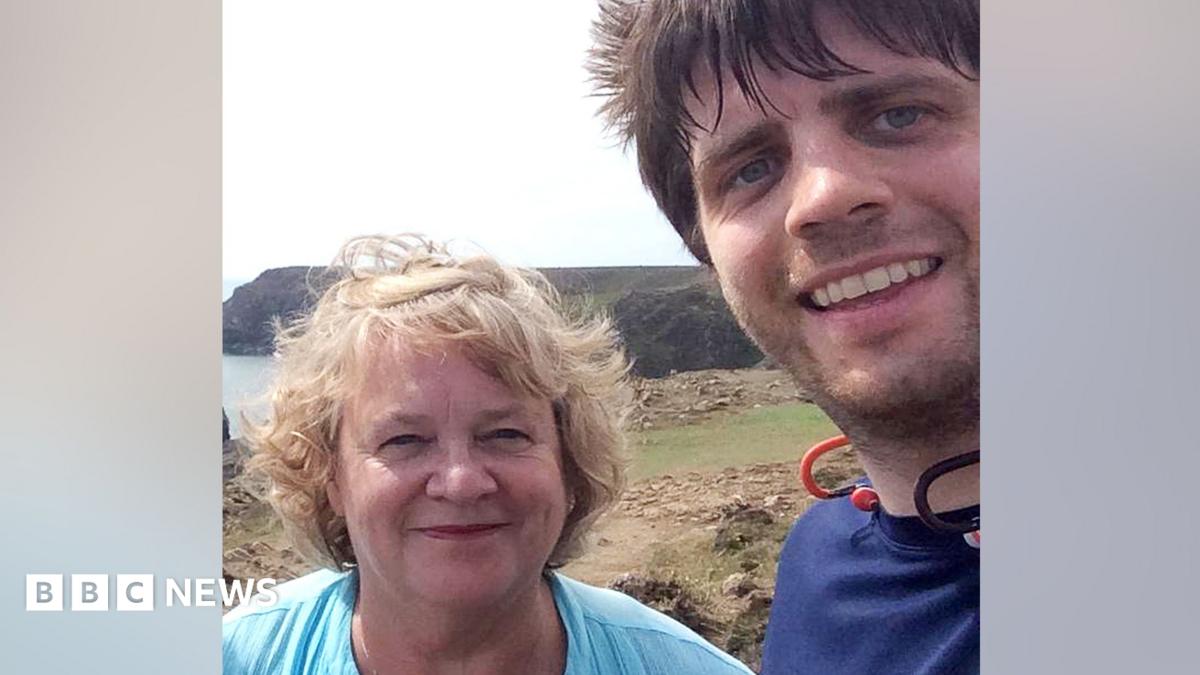
In May this year Patrick said hospital staff called to say his mother, Ann, was close to death, after she had been deteriorating over several months. "She was taken to hospital with non-stop fits and convulsions," he told BBC Radio 2's Jeremy Vine Show. "I got a phone call from the hospital's medical registrar who told me they'd tried all the anti-seizure medications and they weren't working. 'Sorry, she's dying', the registrar told me. 'Do I have time to make it?', I said. 'Yes, but you've got to leave now' was her reply." When he got to the hospital in Nottinghamshire, Patrick said his mother was "totally unconscious", suffering continuous fits and going into kidney failure.
He said he used Google's Gemini AI tool to summarise recent medical journal articles relevant to his mum's condition and symptoms, and then relayed it to the neurology consultant. "I told him what I'd discovered - that the seizures were almost certainly a rare side effect of a vitamin B6 deficiency, possibly caused by her long-term carbidopa-levodopa dopamine use, which was being used to treat her Parkinson's," he said. Carbidopa-levodopa is a combination drug commonly used to boost dopamine levels in Parkinson's patients.
Medical staff agreed to give Ann an intravenous supplement of vitamin B6, which appeared to stop her seizures. "She hasn't had a seizure since," he said. "The next day the family and medics were all ecstatic.
The neurologist was high-fiving me." The consultant neurologist in question, Dr Bruno Gran from Nottingham University Hospitals, said: "As an anaesthetist, Ed has a strong understanding of clinical pharmacology and his reasoning was sound. "What we did not anticipate was the speed and magnitude of the response. Within minutes of administering vitamin B6, Ann's seizure activity stopped.
"We are now working to raise awareness of this potential issue, beginning with changes to practice within our own team. Although Parkinson's affects millions of people worldwide, only 14 similar cases have ever been reported. But if the insights gained from this case can help clinicians identify and prevent similar situations in the future, that would be a significant and positive outcome." Ann has since made a full recovery from the seizures and Patrick said her day-to-day cognitive Parkinson's symptoms have dramatically improved.
"It's like we've got mum back", said Patrick. "It feels like we found a silver bullet. She's sharp as a tack.
"She's been given a really good quality of life from a solution we never even knew was there. Cognitively, it's like she's gone back in time five to 10 years." Parkinson's is a progressive disorder that affects the brain, nervous system, and muscle control. About 166,000 people in the UK live with the condition, according to Parkinson's UK.
Patrick believes B6 vitamins could help other Parkinson's patients, both in emergency settings, but also in some cases of long-term cognitive deterioration. "I think this has potentially wide-reaching ramifications for others. I know that mum's medical team has presented her case to colleagues and that's led to changes in practice in the region.
They're looking at where B6 supplementation might be appropriate." Existing clinical evidence on the link between B6 deficiency in Parkinson's patients and any potential impact it can have is still limited. Experts told the BBC that the link is not known about by the majority of NHS staff in the UK. But earlier this year, the US Food and Drug Administration put out a memo , external saying that particular drugs used to treat Parkinson's should carry a warning about potential links to B6 deficiency.
Dr Graham Johnson, a consultant in emergency medicine who co-leads the Research in Emergency Medicine in Derby group and has been discussing the case with Patrick, said: "Sometimes the best research ideas come from patients' stories, and experts in Parkinson's may now be able to use this case to build a wider evidence base through studies and clinical trials." The chief executive of Parkinson's UK, Caroline Rassell, said they "support the move towards more research trials into vitamin B6 deficiency and Parkinson's". "It's needed to help us understand the connections. The findings and recommendations could transform care for people with Parkinson's." Rassell and other medics told the BBC that patients living with Parkinson's should treat this information with caution.
"This family's experience will definitely raise awareness of the link between vitamin B6 and Parkinson's medications," said Rassell. "However, never make changes to medications or supplements before taking medical advice," she said, and encouraged anyone concerned to speak with their medical team or call the Parkinson's UK helpline. Consultant neurologist Prof Tom Foltynie, who specialises in Parkinson's at University College London Hospitals NHS Trust, said: "Patients should bear in mind that excessively high doses of vitamin B6 can also cause problems, so anyone who is concerned about their B6 levels should request a blood test to check their levels before seeking B6 supplements.
"While there's fledgling awareness of this link between low B6 and potential risks of negative outcomes, is hasn't penetrated enough so that B6 is prescribed for more than a trivial amount of Parkinson's patients. "Having a modest lowering of these vitamin levels probably doesn't have consequences for the vast majority of people. But hearing this story emphasises that this is potentially very important, and it will ring bells for a great number of people who work with Parkinson's patients, to more regularly check levels of B vitamins, and supplement if needed." Not long after recovering from the seizures, Ann was fit enough to hold Patrick's baby - her youngest granddaughter - and read her a story from the hospital bed.
Source: BBC